
World Heart Day 2026: Don’t Miss a Beat – 9 Ways to Love and Protect Your Heart
Every heartbeat matters.
On 29th September 2026, people around the world will come together for World Heart Day, raising awareness of cardiovascular disease (CVD) and encouraging us all to take better care of our hearts.
This year’s World Heart Day campaign has a particularly powerful message:
Don’t Miss a Beat ❤️
The message from the World Heart Federation is that heart disease can hide in plain sight.
Some cardiovascular conditions can develop without obvious symptoms, while other warning signs may be overlooked or dismissed. That’s why recognising changes in our bodies, understanding our risk factors and taking positive steps to protect our hearts are so important.
But Don’t Miss a Beat isn’t only about recognising something might be wrong.
It’s also about what we can do right now to look after our hearts.
The World Heart Federation’s 2026 campaign focuses on three important areas:
– ❤️ See the Signs
Cardiovascular disease can affect anyone, regardless of age, fitness or lifestyle.
Knowing what’s normal for you and seeking medical advice when something doesn’t feel right can be incredibly important.
Never ignore worrying or unexplained symptoms.
– ❤️ Protect Your Heart
This is where every one of us can take action.
Many cardiovascular risk factors can be prevented or managed.
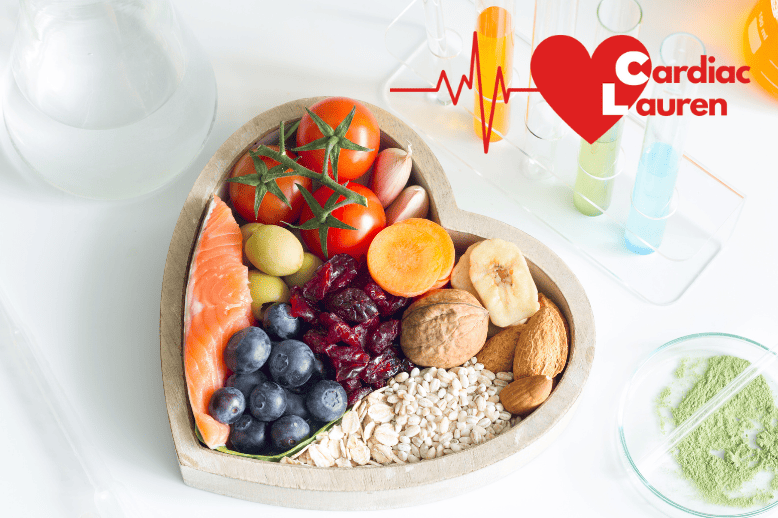
Regular physical activity, healthy eating, not smoking, managing blood pressure and cholesterol, getting enough sleep and looking after our mental wellbeing can all contribute towards better cardiovascular health.
And you don’t have to change everything overnight.
Small changes, repeated consistently, can make a big difference.
– ❤️ Demand Action
World Heart Day isn’t only about individual responsibility.
The World Heart Federation is also calling on governments and decision-makers around the world to make cardiovascular health a greater priority and improve access to prevention, diagnosis, treatment and care. Heart health matters to everyone.
Keep the Beat: Small Steps Can Make a Big Difference
Another part of the World Heart Day campaign that I particularly love is Keep the Beat.
Throughout September, the World Heart Federation is encouraging people to pledge to make small changes that support their heart health.
That might mean:
- Taking a short walk.
- Cycling instead of driving.
- Completing an exercise class.
- Breaking up long periods of sitting.
- Making a heart-healthy food choice.
- Checking your blood pressure.
- Giving up smoking.
- Prioritising your sleep.
This is a message I wholeheartedly support, read my How Long Does It Take to Walk A Mile blog
You don’t have to completely transform your lifestyle on 29th September. Choose one thing. Then keep doing it. Because heart health isn’t improved by what you do once. It’s improved by what you do consistently.
Why World Heart Day Matters
Cardiovascular disease remains the world’s leading cause of death.
According to the World Heart Federation, cardiovascular disease claims around 20.5 million lives every year and accounts for more than one-third of deaths globally.
The organisation also highlights some sobering figures:
- Around 1 in 3 people are killed by heart disease.
- 1 in 5 people will die prematurely from heart disease.
- Fewer than 20 countries currently have a standalone national plan specifically addressing cardiovascular disease.
Behind every statistic is a person. A parent. A partner. A friend. A colleague. A member of somebody’s family.
That’s why awareness days like World Heart Day are so important.
Don’t Miss the Signs
One of the key messages of World Heart Day 2026 is recognising that cardiovascular disease isn’t always obvious.
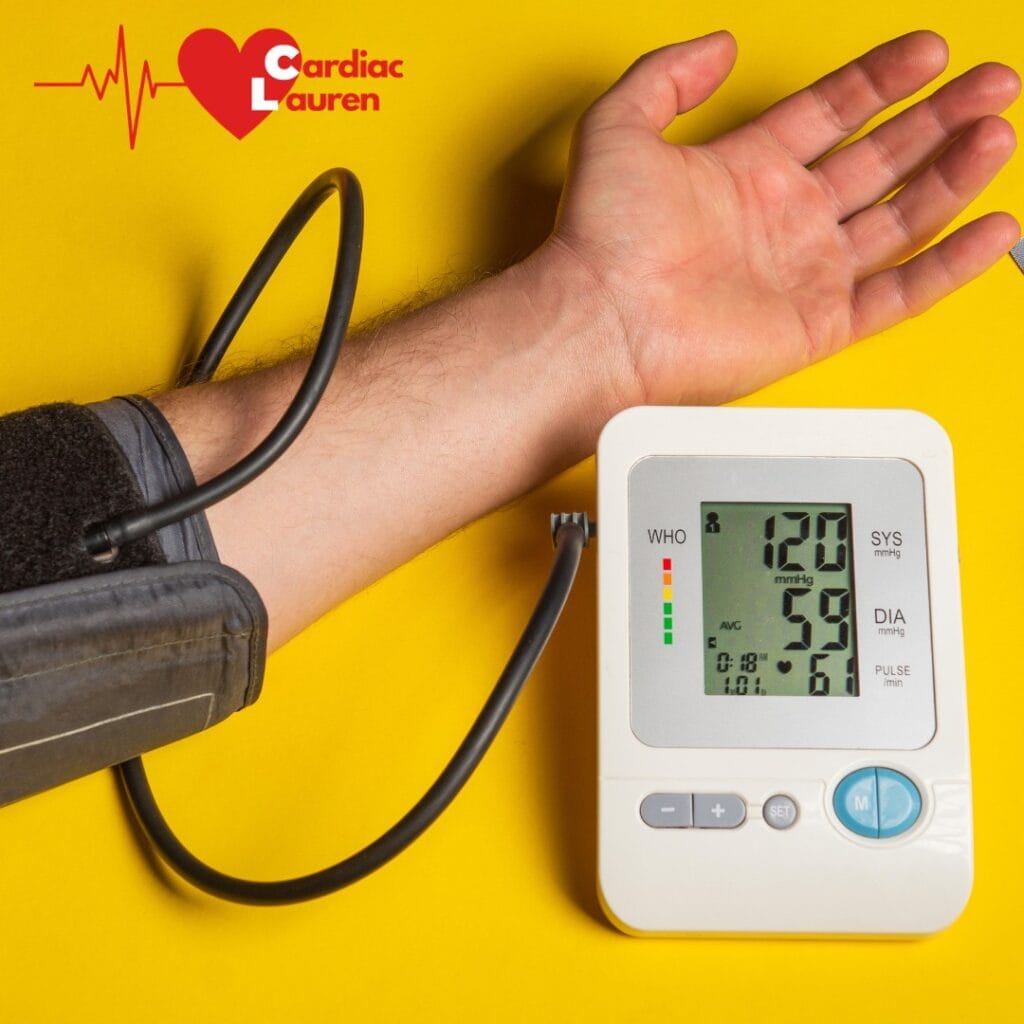
High blood pressure, for example, is often described as a ‘silent’ problem because you can have it without knowing. That’s one reason why knowing your numbers is so important.
But we should also listen to our bodies.
Symptoms such as chest pain or discomfort, unusual shortness of breath, fainting, palpitations or a sudden unexplained change in how you feel shouldn’t simply be ignored.
Symptoms can vary between people and between different cardiovascular conditions. If you experience new, severe or worrying symptoms, seek appropriate medical advice.
World Heart Day’s message is simple:
Don’t miss a beat. Don’t ignore the signs.
Can Exercise Really Help Your Heart?
Absolutely. Regular physical activity is one of the most powerful things we can do to support our cardiovascular health.
Exercise can help to:
- Strengthen the heart.
- Improve circulation.
- Lower blood pressure.
- Improve cholesterol levels.
- Improve blood sugar control.
- Support a healthy weight.
- Improve strength and balance.
- Reduce stress and anxiety.
- Improve sleep.
- Increase energy levels.
- Improve confidence following a cardiac event.
And exercise doesn’t have to mean running, joining a gym or pushing yourself until you’re exhausted.
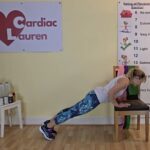
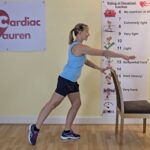
Walking counts. Dancing counts. Gardening counts. Strength exercises count. Structured online exercise classes count. Movement counts.
Confidence Can Be the Biggest Barrier
If there’s one thing I’ve learnt over the years, it’s that confidence – not fitness – is often the biggest barrier to exercise.
Many people already know that exercise is good for them. What they’re unsure about is whether it’s safe.
I’ve met so many people who are worried they’ll exercise too hard, raise their heart rate too much or somehow damage their heart.
This can be particularly difficult following a heart attack, bypass surgery, stent procedure or a new diagnosis such as atrial fibrillation or heart failure.
Suddenly, something you previously did without thinking can feel frightening.
That’s why rebuilding confidence is such an important part of returning to exercise. Seeing that confidence return as someone begins to realise what they can do is one of the most rewarding parts of my work.
I’ve Had a Heart Condition – Can I Still Exercise?
This is one of the questions I’m asked most frequently.
For many people, the answer is yes, although the type and intensity of exercise needs to be appropriate for your individual circumstances and you should follow the advice given by your healthcare team.
Exercise is commonly included as part of recovery and ongoing management following conditions and procedures including:
- Heart attack.
- Coronary artery bypass graft (CABG).
- Coronary stent procedures (PCI).
- Valve surgery.
- Heart failure.
- Stable angina.
- Atrial fibrillation (AF).
The important thing is recognising that exercise isn’t one-size-fits-all. Someone recovering from bypass surgery may exercise very differently from somebody managing high blood pressure or someone simply wanting to improve their general fitness.
That’s why learning to understand your own body and exercising at an appropriate intensity is so important.
Don’t Forget Your Warm-Up
One thing I always emphasise in my classes is the importance of warming up.
Your body needs time to transition from resting to exercising. A good warm-up gradually increases your heart rate and circulation while preparing your muscles and joints for the exercise ahead.
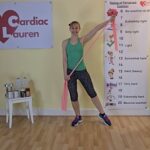
That’s why every Cardiac Lauren class starts with an appropriate warm-up for the type and intensity of session we’re about to complete.
Don’t rush it. Your warm-up is part of your workout.
And Don’t Miss the Cool-Down
It’s tempting to finish the last exercise and immediately sit down. But your cool-down matters too.
Rather than stopping exercise suddenly, gradually reducing your intensity allows your cardiovascular system to transition towards its resting state.
That’s why my classes also include an appropriate cool-down.
Think of your exercise session as having three equally important parts:
Warm up → Exercise → Cool down.
Using RPE to Understand How Hard You’re Working
Another tool I regularly use with members is the Rate of Perceived Exertion (RPE).
Rather than expecting everybody to exercise at exactly the same speed or intensity, RPE encourages you to think about how hard your body feels like it’s working. That’s particularly useful because no two people are the same.
Your fitness. Your medication. Your heart condition. Your recovery. Your energy levels. Even how you slept the night before. They can all influence how exercise feels.
Learning to listen to your body can help you exercise more confidently and appropriately.
Watch my explanation of the RPE scale here
9 Ways to Love and Protect Your Heart
1. Sit Less
Many of us spend far too much of our day sitting. Even if you exercise, it’s a good idea to break up prolonged periods of inactivity. Stand up. Stretch. Walk around the house. March on the spot. Move while you’re waiting for the kettle.
It all counts.
Try this today: Set a reminder to stand up and move regularly throughout your day.
2. Know Your Numbers
High blood pressure, high cholesterol and raised blood sugar can exist without obvious symptoms. Knowing your blood pressure, cholesterol and blood sugar can help identify potential problems before they become more serious.
Speak to your GP or healthcare professional if you don’t know yours.
Try this today: Check when you last had your blood pressure measured.
3. Eat for Your Heart
You don’t need a ‘perfect’ diet. Instead, concentrate on making nutritious choices most of the time.
Aim to include:
- Plenty of fruit and vegetables.
- Wholegrains.
- Beans and pulses.
- Lean protein.
- Oily fish.
- Healthy unsaturated fats such as olive oil, nuts and seeds.
Try to reduce excess salt and foods high in saturated fat. See my blog about the top foods to eat to improve your heart health
Try this today: Add an extra portion of vegetables to one meal.
4. Maintain a Healthy Weight
Maintaining a healthy weight can help reduce your risk of high blood pressure, type 2 diabetes and high cholesterol.
Rather than concentrating on restrictive diets, think about sustainable habits — regular movement, balanced nutrition, good sleep and consistency.
Healthy habits are far more important than chasing a particular number on the scales.
Try this today: Choose one healthy habit you’d like to work on this week.
5. Stop Smoking
Stopping smoking is one of the most important things you can do for your cardiovascular health.
Smoking damages blood vessels and significantly increases the risk of heart attack and stroke. Your body begins benefiting after you stop, and cardiovascular risk reduces over time.
If you’re struggling to quit, ask for support.
Try this today: Make today the day you speak to your GP, pharmacist or stop smoking service.
6. Prioritise Good Sleep
Sleep is sometimes forgotten when we talk about heart health.
Poor sleep can affect blood pressure, stress, blood sugar control and our ability to make healthy choices.
Try to establish a consistent bedtime routine and aim for enough good-quality sleep to feel refreshed.
Try this today: Give yourself an extra 30 minutes to wind down before bed.
7. Manage Stress
Stress is part of life, but prolonged stress can affect both our physical and emotional wellbeing.
Exercise can be a wonderful stress reliever. Other options include walking outside, mindfulness, spending time with friends or family, listening to music, reading, hobbies, or simply giving yourself some time to switch off.
Looking after your mind is part of looking after your heart.
Try this today: Give yourself 10 minutes to do something you find relaxing.
8. Stay Connected
Heart health isn’t only about exercise and nutrition.
Supportive relationships and communities can improve motivation, confidence and emotional wellbeing.
One of my favourite parts of Cardiac Lauren is seeing members encourage one another, celebrate achievements and support each other through challenges.
You don’t have to do this alone.
Try this today: Get in touch with somebody who makes you smile.
9. Keep Going – and Keep the Beat ❤️
Perhaps the most important tip of all: heart health isn’t built in a day. It’s built through consistency. Some days you’ll feel motivated and other days you won’t. That’s completely normal.
Every positive choice matters. Remember, you don’t need to be perfect.
And that seems particularly appropriate for World Heart Day 2026:
Keep moving. Keep looking after yourself. Keep the beat.
Heart Health: Myth vs Fact
Myth: “I’m too old to start exercising.”
Fact: It’s never too late to become more active. Exercise can be adapted to different ages, abilities and fitness levels.
Myth: “I’ve had a heart attack, so I shouldn’t exercise.”
Fact: For many people, appropriately prescribed exercise forms an important part of cardiac rehabilitation and recovery. Always follow the advice of your healthcare team.
Myth: “Exercise only counts if it’s hard.”
Fact: You don’t have to exhaust yourself to benefit from movement. Moderate activity performed regularly can provide significant health benefits.
Myth: “Walking isn’t proper exercise.”
Fact: Walking is a fantastic and accessible form of physical activity and can be an excellent way to improve cardiovascular fitness.
Myth: “Strength exercises are only about building muscles.”
Fact: Maintaining strength is important for everyday function and healthy ageing, and resistance exercise can form part of a well-rounded physical activity programme.
What World Heart Day Means to Cardiac Lauren
World Heart Day always reminds me why I created Cardiac Lauren.
Throughout my career, I’ve seen first-hand how life-changing regular exercise can be – not only physically but emotionally too. I’ve seen people who were frightened to exercise after a cardiac event gradually rediscover their confidence. I’ve seen members realise they’re capable of far more than they thought. And I’ve seen how being part of a supportive community can turn exercise from something people feel they have to do into something they actually enjoy doing.
That’s what Cardiac Lauren is about.
Not being the fastest. Not being the fittest. And definitely not being perfect.
It’s about helping you become more active, build confidence and discover what your body can do.
Make Your World Heart Day Pledge
The World Heart Federation is encouraging people to Keep the Beat throughout September by pledging to make small changes for better heart health.
So here’s my challenge to you.
What will you do for your heart?
Perhaps you’ll pledge to:
❤️ Walk more. ❤️ Complete two exercise classes each week. ❤️ Break up long periods of sitting
Don’t try to do everything. Choose something realistic and keep doing it.
Final Thoughts: Don’t Miss a Beat
Your heart has been with you through every laugh, every challenge, every celebration and every milestone.
It has never taken a day off.
So this World Heart Day, don’t just think about your heart for one day.
See the signs. Know your numbers. Move your body. Make small changes. Keep going.
Most importantly…
❤️ Don’t Miss a Beat.
If you’re looking for friendly, supportive online exercise classes to help you improve your fitness, strength and confidence, I’d love to welcome you to the Cardiac Lauren community.
Find out more and become a member here